Tree Surveys
Treecall Consulting offer a range of surveys from simple visual inspection through to in-depth investigation for sites of all types and sizes
Tree Safety Surveys
All landowners are under a ‘common duty of care’ to people who may be damaged by their acts or omissions and must not expose visitors to their property or premises to unacceptable levels of risk. The Occupiers Liability Acts (1957 and 1984) refer to taking ‘reasonable care’ or ‘such care as in all the circumstances of the case is reasonable’. Trees have the ability to damage property and injure people and so they require attention as part of routine management and maintenance of a site.
Our consultants hold the professional tree inspection certificate and have considerable tree management experience. Treecall Consulting can carry out a range of tree surveys and provide appropriate management recommendations. The written reports are also valuable in demonstrating that a prudent approach to tree risk management is in force and can help to minimise liabilities, should an accident occur.
Walk-by Survey
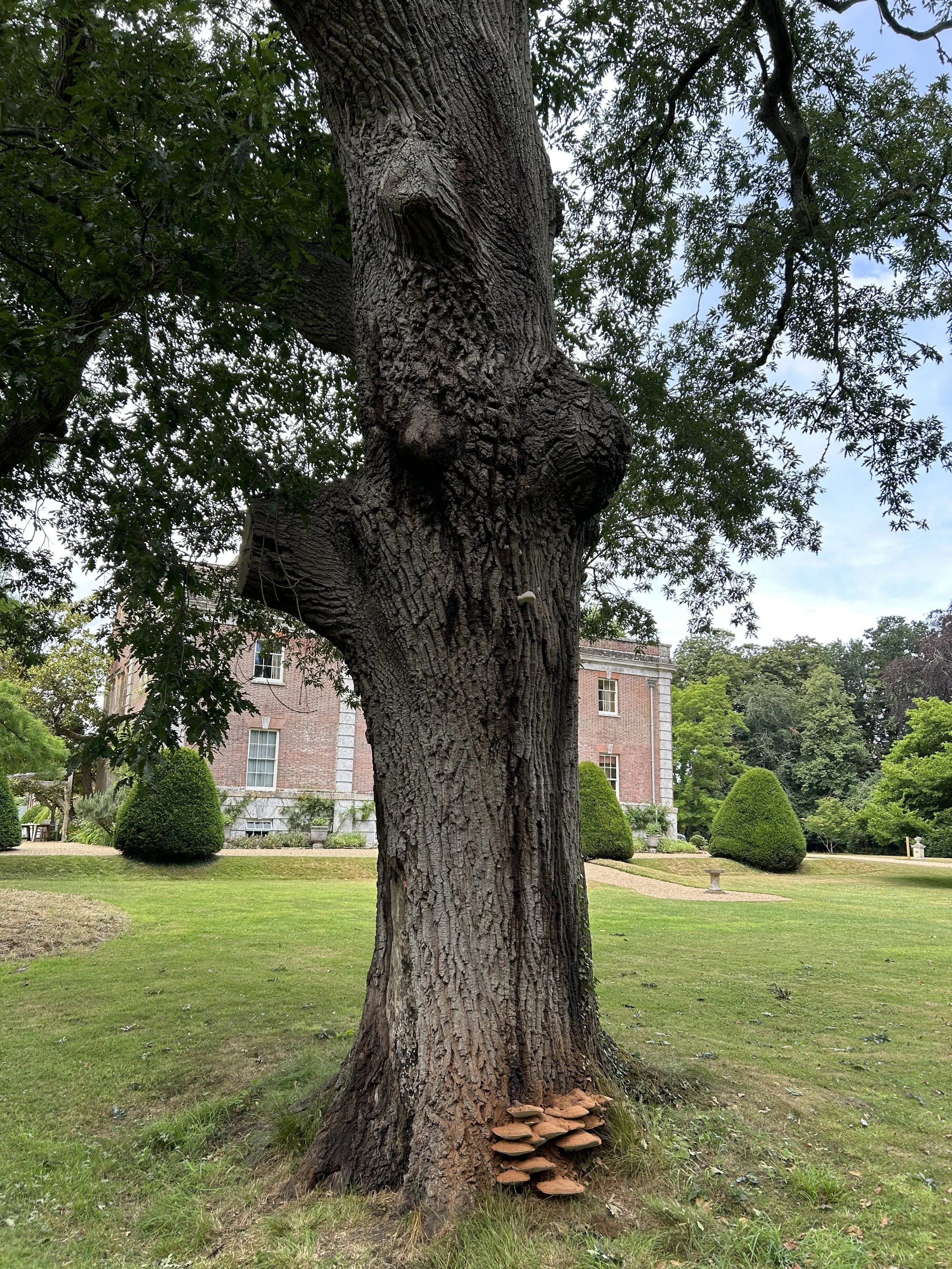
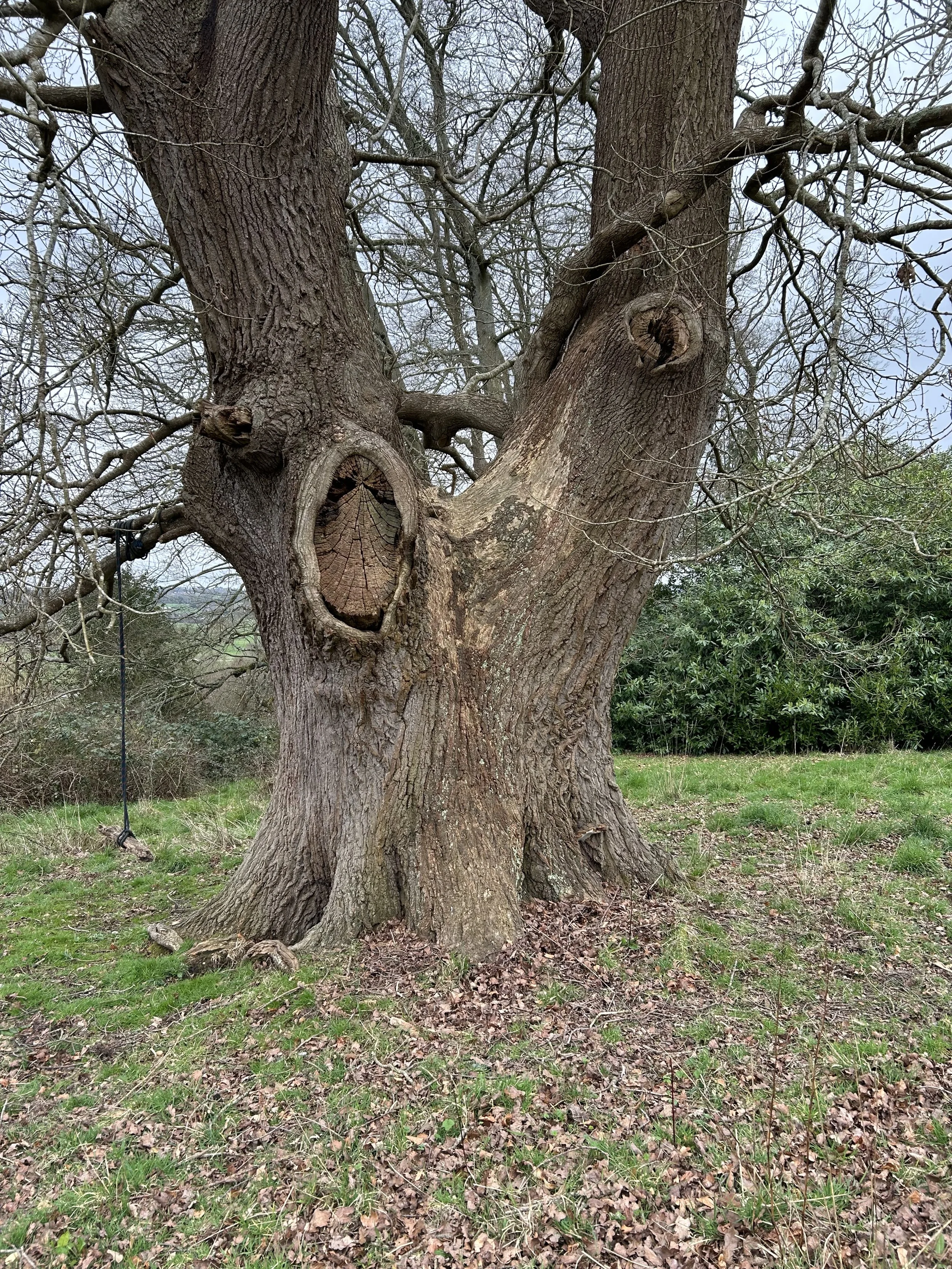
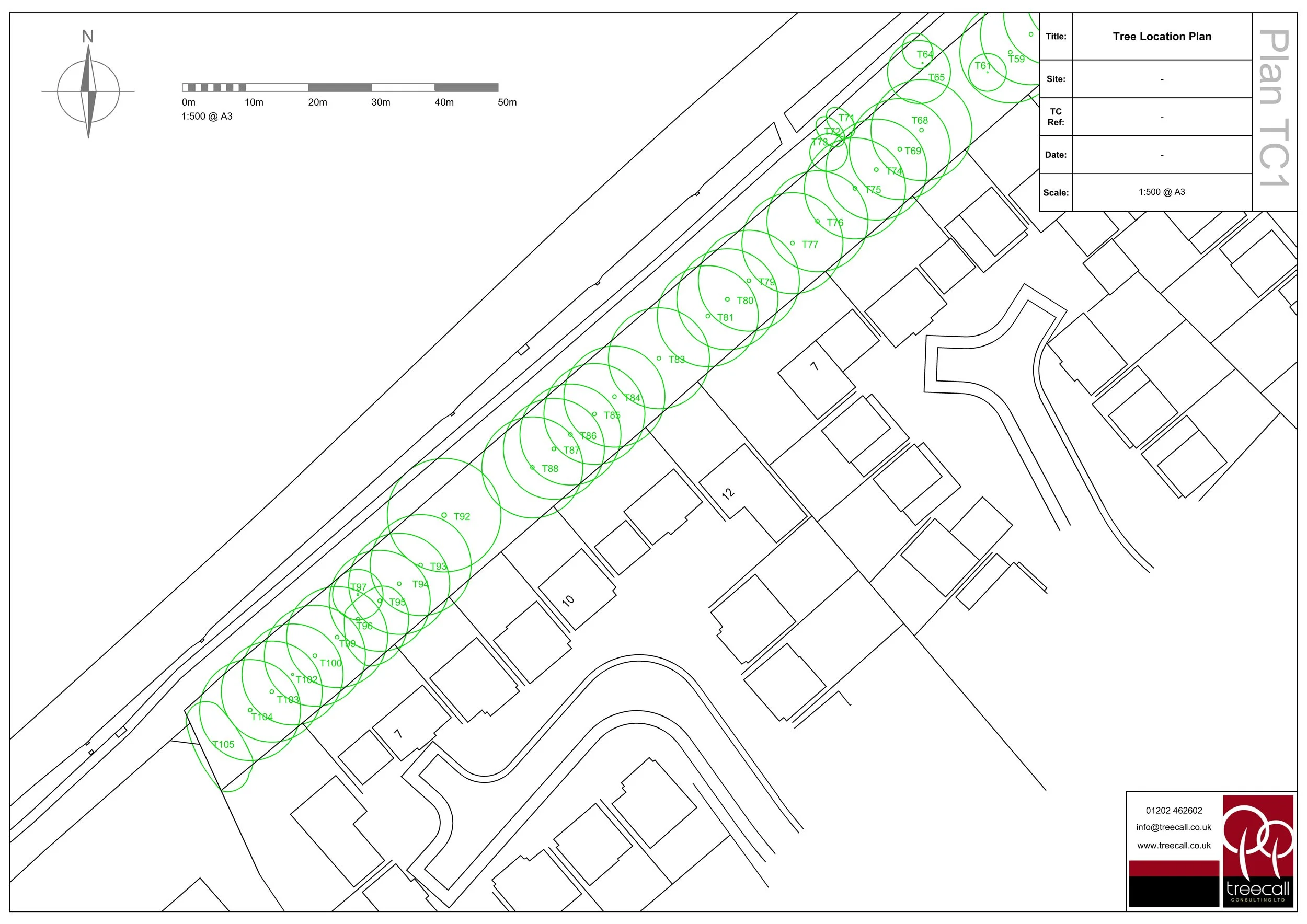
This is a basic level survey that we find is a cost-effective way of ensuring that problem trees are dealt with in an appropriate and timely manner. All trees within the site are inspected from ground level using the visual tree assessment method but only those that are identified as a hazard and require work for health and safety purposes are recorded. These trees are shown on a location plan to aid identification and all required work is listed in a schedule that includes a safety priority to indicate how soon it should be carried out.
This report can be submitted to the local planning authority in support of a tree work application if consent is needed for any of the recommended work.
Tree Condition Survey
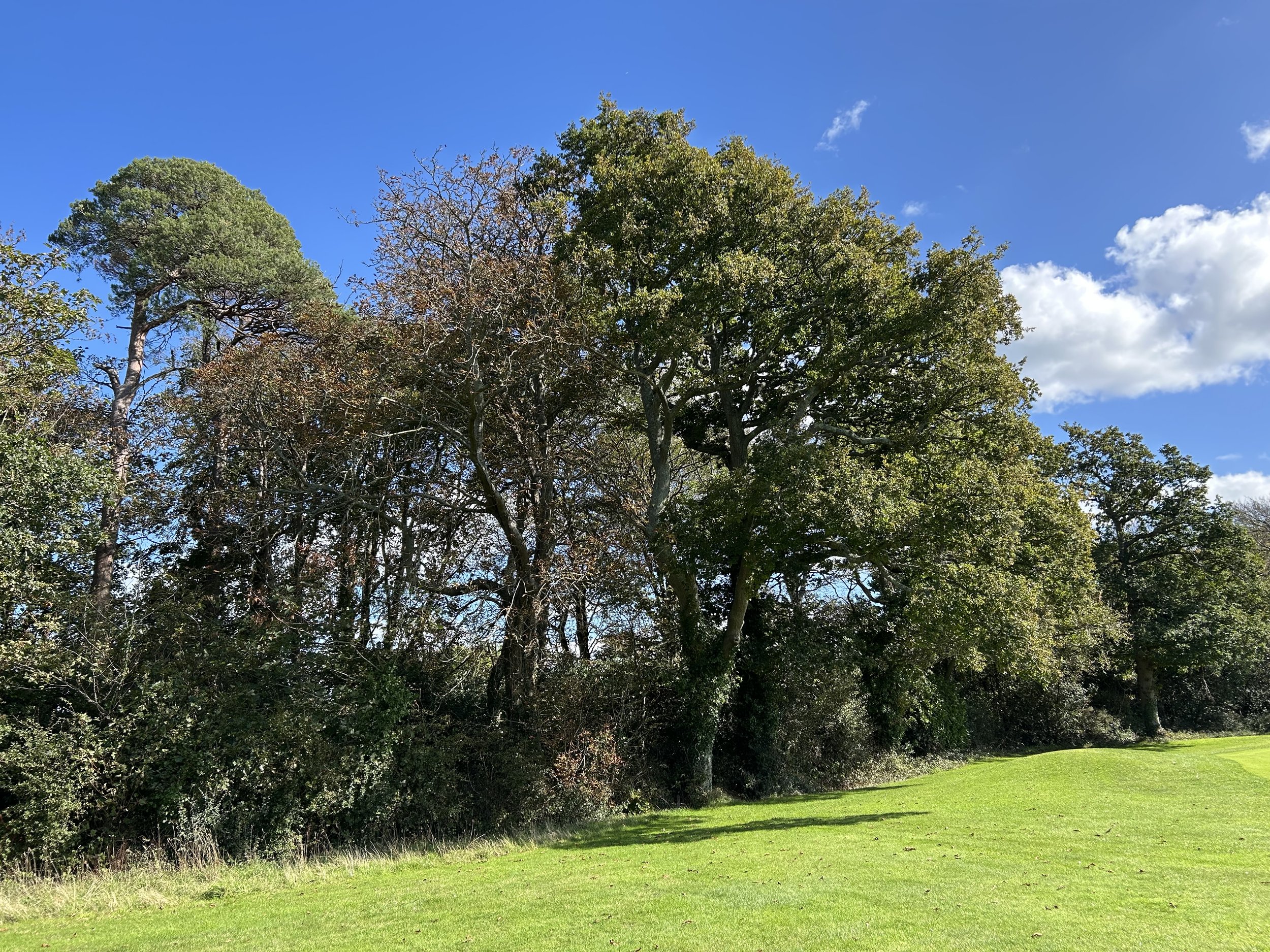
A more detailed survey can provide a snapshot of the current condition of the trees on a site and serve as an inventory to inform and monitor progress towards management objectives. All trees are inspected from ground level using the visual tree assessment method and, in this case, all are recorded on the tree location plan and schedule. The information recorded can include species, stem diameter, height, crown spread, age class, and arboricultural observations. Recommendations are given for resolving any immediate problems – with a safety priority given, as above – and also to encourage future tree development.
This report can also be submitted to the local planning authority in support of a tree work application if consent is needed and has the additional benefit of demonstrating that the landowner is taking a proactive approach to tree management.
Internal Decay Detection
Sometimes more information is needed about the internal condition of trees and Treecall Consulting has a range of equipment that can be used to carry out in-depth investigations to determine appropriate tree management.
PiCUS Sonic Tomograph
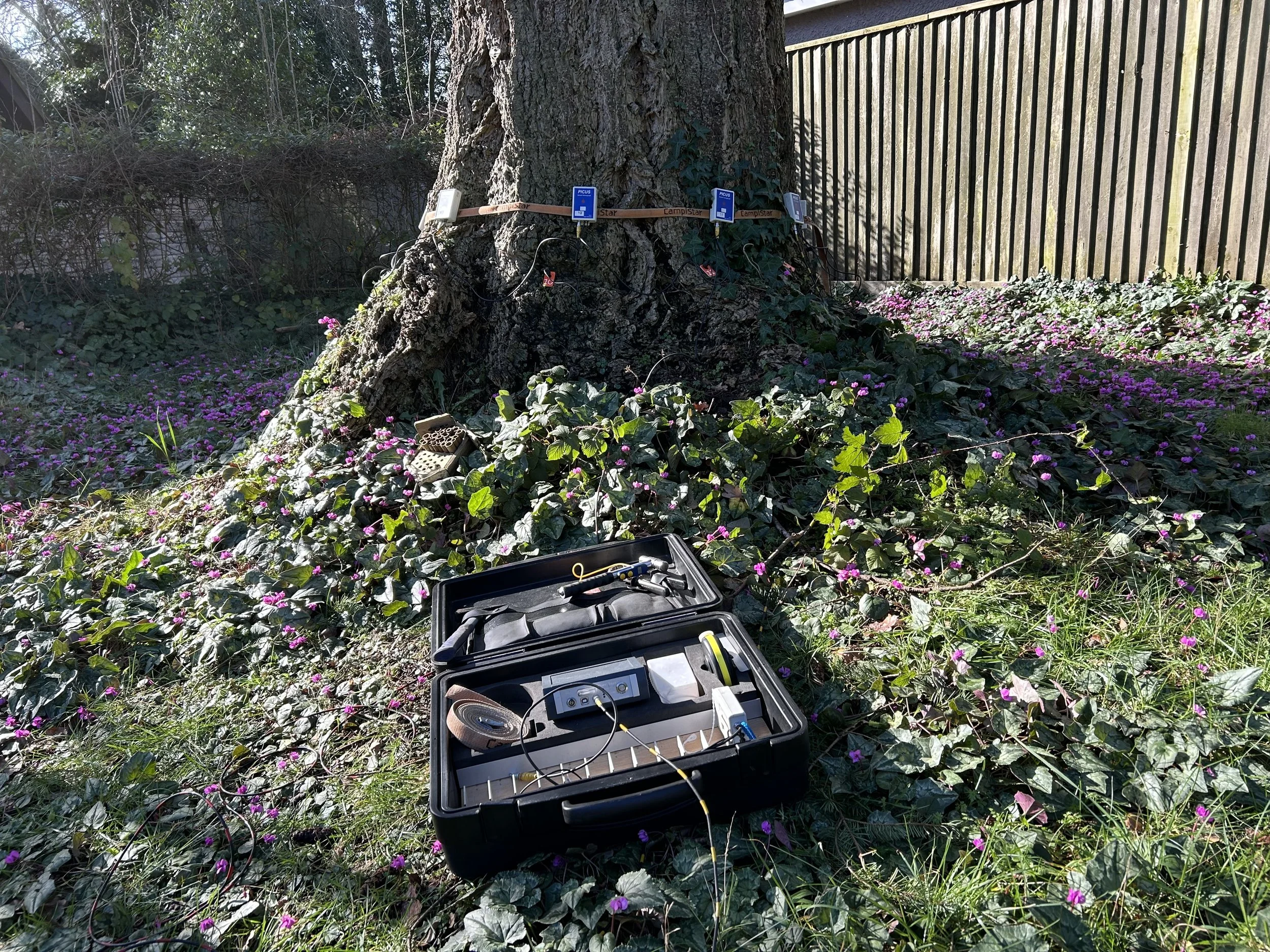
The tomograph consists of a series of sensors that are attached to nails (measuring points) driven through the bark in a horizontal plane around the circumference of a tree. To carry out the test, each nail is struck in turn and the sensors attached to the remaining nails measure the time taken for the sound wave to reach them. Where a sound wave takes longer than expected to travel between measuring points, this indicates that it has either passed through wood with altered characteristics or diverted around a crack or hollow.
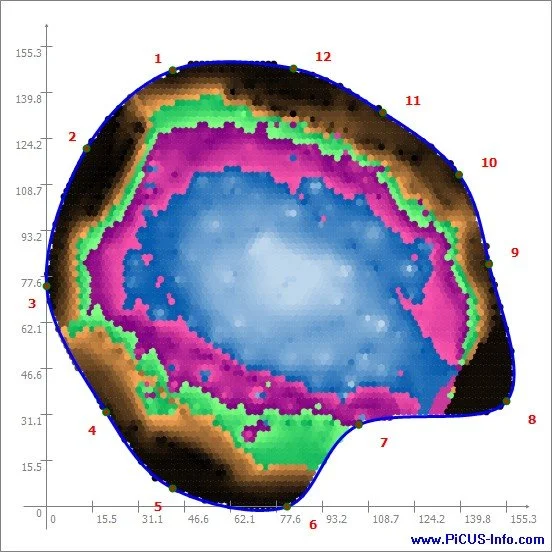
The software collates and interprets this information to display a cross section of the tree’s stem showing the variations in speed of the sound waves in different colours. A brown or buff colour represents high speeds, indicating good quality wood with insignificant strength loss. Purple, blue and white colours represent progressively lower speeds, correlating with greater decay or dysfunction, leading to hollows at the white end of the spectrum. The green colour represents a relatively small decrease in speed, indicating wood where there is likely to be some incipient decay, or the beginning of alterations to wood characteristics.
Microdrill
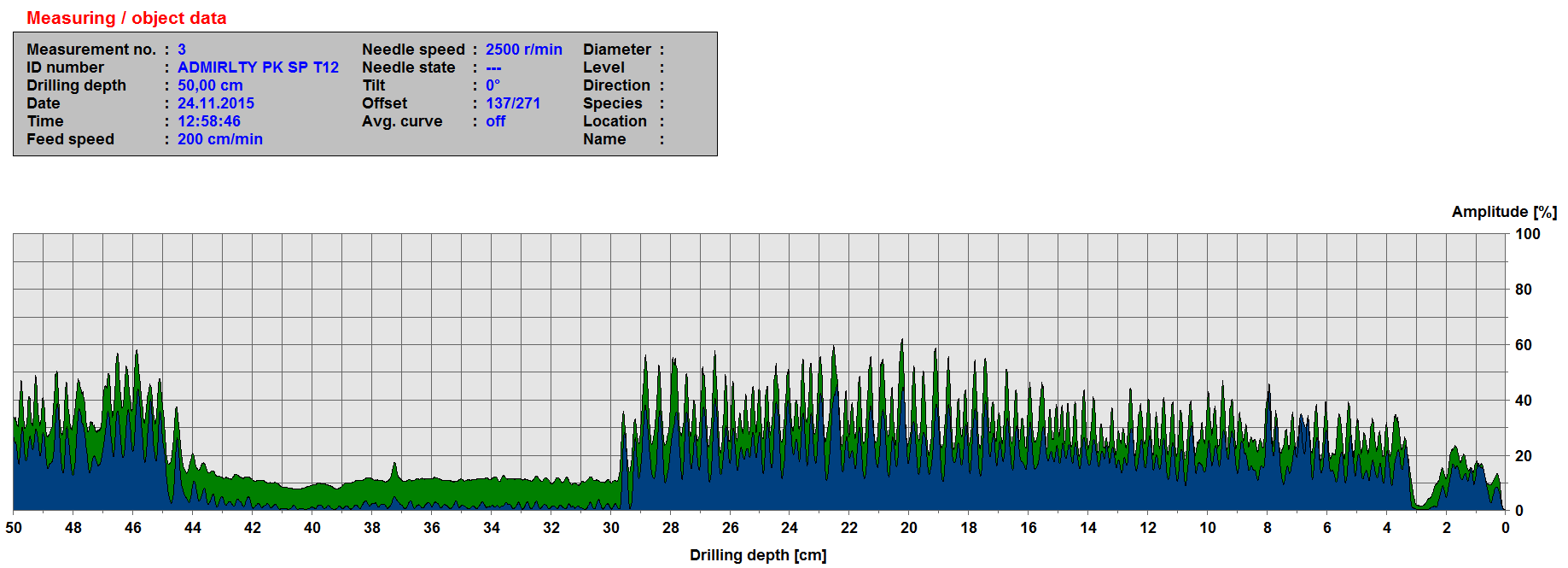
The microdrill drives a 50cm long, 3mm diameter drill bit into the wood and records the power required to maintain constant rates of both the rotation and forward motion of the bit. These measurements of resistance are used as an indicator of wood strength: the higher the resistance, the stronger the wood. The results are presented in graph form as a trace showing the level of resistance along the path of the bit.